
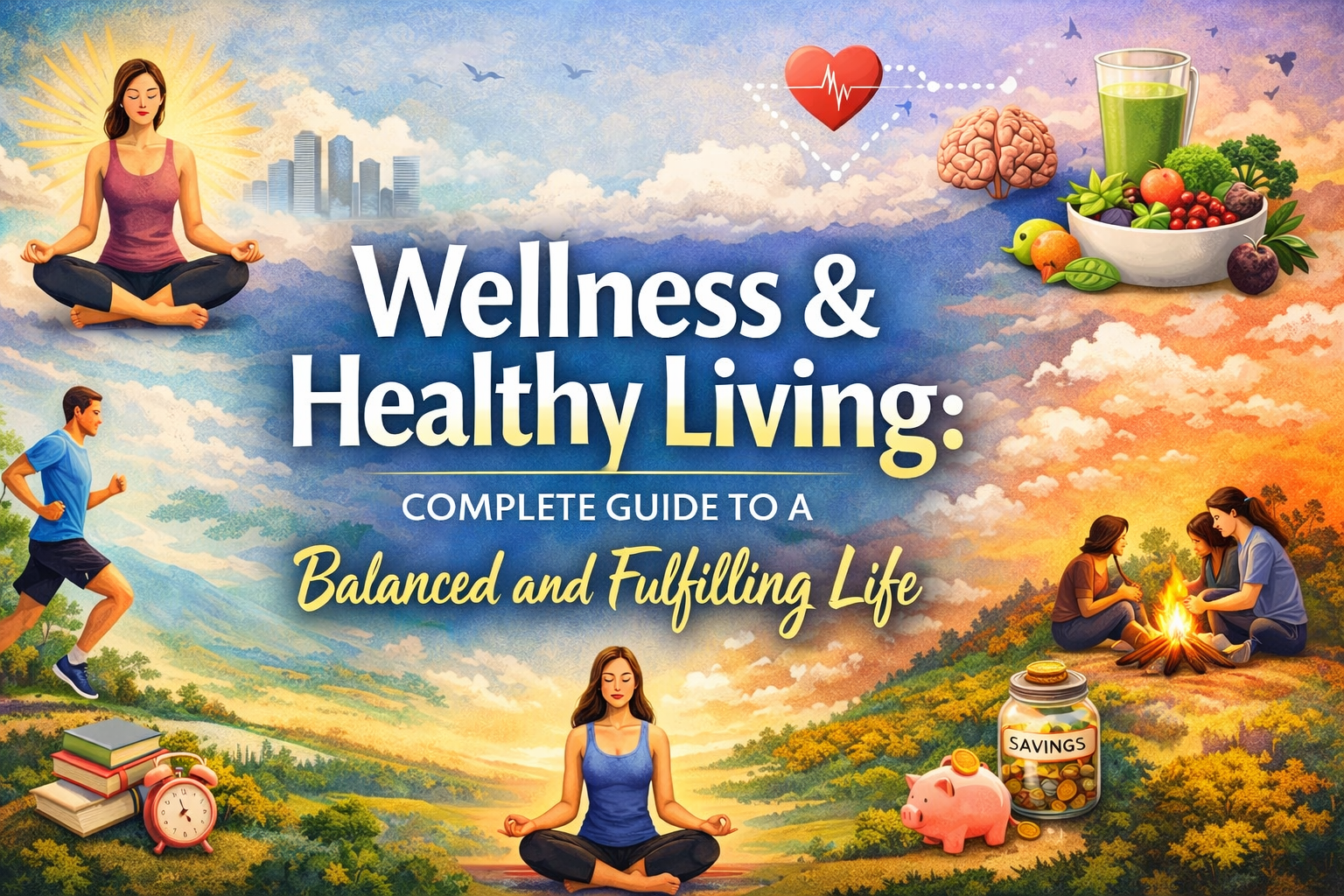
Wellness & Healthy Living: A Complete Guide to Building a Balanced and Fulfilling Life
In today’s fast-paced world, maintaining wellness and healthy living has become more important than ever. Long working hours, digital overload, unhealthy eating habits, and rising stress levels are affecting both physical and mental health. True wellness is not just about avoiding illness; it is about creating a balanced lifestyle that supports the mind, body, and soul. By adopting healthy daily habits and focusing on holistic well-being, individuals can improve their quality of life and achieve long-term happiness.
Wellness and healthy living encourage people to take responsibility for their overall well-being by making conscious lifestyle choices. This approach focuses on prevention, balance, and sustainability rather than temporary solutions.
Understanding the Concept of Wellness & Healthy Living
Wellness and healthy living go beyond regular exercise or a balanced diet. They represent a complete lifestyle approach that integrates physical health, mental clarity, emotional stability, and social well-being. True wellness means feeling energetic, positive, and capable of handling daily challenges with confidence.
A healthy lifestyle includes proper nutrition, regular physical activity, mental relaxation, emotional balance, and meaningful social connections. When these elements work together, individuals experience improved immunity, reduced stress, and enhanced productivity in daily life.
Physical Wellness: Building a Strong and Active Body
Physical wellness is the foundation of healthy living. It involves taking care of the body through consistent exercise, nutritious food, and adequate rest. Regular physical activity improves cardiovascular health, strengthens muscles, and boosts overall energy levels.
Healthy eating habits play a crucial role in physical wellness. Consuming fresh fruits, vegetables, whole grains, and adequate hydration supports the body’s natural functions. Along with proper nutrition, quality sleep allows the body to recover, repair, and stay active throughout the day.
Simple lifestyle changes such as walking daily, maintaining posture, and avoiding processed foods can significantly improve physical well-being over time.
Mental Wellness: Creating a Calm and Focused Mind
Mental wellness is an essential part of wellness and healthy living. Stress, anxiety, and constant pressure can negatively impact both mental and physical health. Practicing mindfulness, meditation, and relaxation techniques helps maintain emotional balance and mental clarity.
Spending time away from screens, engaging in hobbies, and practicing gratitude can improve mental health. A calm mind allows individuals to make better decisions, maintain healthy relationships, and stay motivated in both personal and professional life.
Mental wellness also involves recognizing emotions and addressing challenges with a positive mindset rather than suppressing feelings.
Emotional and Social Wellness: Strengthening Inner and Outer Connections
Emotional wellness focuses on understanding and managing emotions effectively. Being emotionally healthy helps individuals cope with life’s ups and downs and maintain inner peace. Open communication, self-awareness, and self-acceptance are key elements of emotional well-being.
Social wellness plays an equally important role in healthy living. Building strong relationships, participating in community activities, and maintaining supportive social circles enhance emotional stability. Social connections reduce loneliness, increase happiness, and provide a sense of belonging.
Community-driven initiatives and cultural events encourage people to connect, share experiences, and grow together.
The Role of Lifestyle Balance in Wellness & Healthy Living
Achieving wellness requires balance in daily life. Overworking, neglecting health, or ignoring personal happiness can lead to burnout. A balanced lifestyle includes time for work, relaxation, family, physical activity, and self-care.
Small habits such as maintaining a routine, setting boundaries, and prioritizing health contribute to long-term wellness. When individuals focus on balance, they experience improved concentration, better health, and greater life satisfaction.
Healthy living is not about perfection but about consistency and mindful choices.
Why Wellness & Healthy Living Matter in Today’s World
Modern lifestyles often encourage convenience over health. However, ignoring wellness can lead to chronic health issues, mental fatigue, and reduced quality of life. Prioritizing wellness and healthy living helps prevent lifestyle-related diseases, improves mental resilience, and enhances overall happiness.
Organizations and community platforms promoting wellness play a vital role in creating awareness and encouraging healthier lifestyles. By embracing wellness-focused living, individuals can build stronger communities and healthier futures.
Conclusion
Wellness and healthy living are lifelong commitments that require awareness, balance, and consistency. By focusing on physical health, mental clarity, emotional strength, and social connections, individuals can lead healthier, happier, and more fulfilling lives. Making small, positive lifestyle changes today can create lasting benefits for the future.
Adopting wellness and healthy living is not just about improving health—it is about transforming life as a whole and embracing a balanced way of living that supports long-term well-being.